


Advanced Mechanical Noise Control and Structural Damping in UAE Skyscrapers

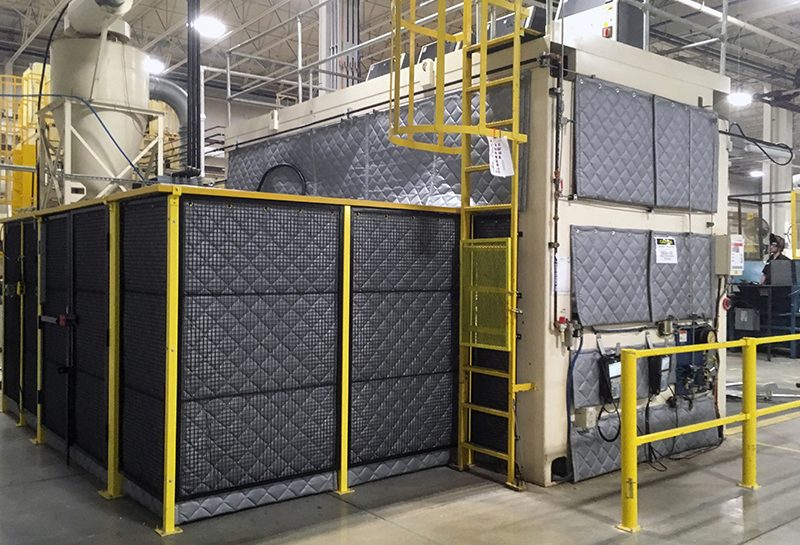
The technical implementation of mechanical noise control is essential for managing the intense sounds generated within modern high-rise developments. For any luxury project to maintain its premium status, it must address the constant hum of heavy machinery while ensuring that kinetic energy does not disturb the occupants. In the vertical cities of the Middle East, managing these complex soundscapes is a primary responsibility for main contractors in Dubai who collaborate with experts like Airo Dyne to deliver quiet environments that meet both international comfort standards and local municipality noise regulations.
Why is Structural Damping Critical for High-Rise Integrity?
Structural damping is a technical necessity because mechanical equipment such as massive chillers, water pumps, and cooling towers produce energy that travels through the building’s concrete frame. This structure-borne noise can manifest as an audible low-frequency rumble many floors away from the actual plant room if not properly mitigated at the source using specialized materials. Professional consultants utilize inertia bases and vibration isolation mounts and ribbed neoprene pads to decouple heavy machinery from the floor slabs, which prevents the transmission of energy and protects the overall comfort of the skyscraper.
Strategies for Controlling Airborne Noise in Internal Plant Rooms
Plant rooms are the heart of a building, but they are also the loudest areas requiring robust containment strategies to prevent sound leaking into adjacent residential or commercial units. Engineers focus on increasing the mass of the enclosure while addressing breakout noise through the use of specialized gaskets and airtight seals around every door and pipe penetration. While some designers focus on external barriers like soundproofing windows in Dubai to block traffic noise, the internal plant room requires a heavy-duty approach to mechanical noise control to contain the massive sound power level generated by high-capacity centrifugal fans and power generators.
Optimizing Airflow and Ductwork for Quiet Ventilation
In the extreme heat of the UAE, high-velocity airflow is required to keep large buildings cool, but this often results in significant air turbulence and duct noise. To solve this, engineers integrate custom-designed HVAC silencers and internal duct liners that provide a high insertion loss without significantly restricting the flow of air. While large open areas might benefit from a high-performance sound insulation wall to reduce echo, the narrow confines of a ventilation shaft require aerodynamic attenuators that are specifically tuned to the exact frequency of the fan noise to ensure that the final delivery of air into the room is virtually silent.
The Importance of High-Performance Sand Trap Louvers
In desert environments, sand trap louvers are a critical component of the mechanical intake system because they must filter airborne particles while acting as a sound barrier. These specialized louvers are engineered with acoustic infill to provide a dual benefit by protecting the mechanical equipment from dust and simultaneously reducing the noise emissions that escape to the exterior of the building. This ensures that the building does not become a source of noise pollution for the surrounding urban neighborhood while maintaining high airflow efficiency.
Managing Resonance and Low-Frequency Hum
Low-frequency noise is particularly difficult to manage because long sound waves can pass through standard building materials with ease. Engineers combat this by analyzing the resonance of the mechanical systems and applying damping treatments to metal ductwork and piping. By shifting the natural frequency of these components, they prevent the buildup of sound energy and ensure that the building occupants are not subjected to the fatiguing effects of constant background hum throughout the day. Effective mechanical noise control at this stage prevents future complaints from residents and maintains the long-term value of the property.
How is Mechanical Performance Verified During Commissioning?
The final phase of any project involves rigorous on-site testing to verify that the mechanical noise levels stay within the specified Noise Criteria (NC) or Noise Rating targets. These technical audits utilize precision Class 1 sound level meters to measure the sound pressure in every occupied room while the mechanical systems are running at full capacity. Partnering with a specialist like Airo Dyne ensures that this data-driven validation meets all official authority approvals and confirms that the mechanical installation has achieved the high-performance standards required for a successful building handover.
